
Behind the scenesMarketingPersonal branding
From Strava to Strategy: Lessons from my first marathon
A sore foot, a sleepless night, a heart rate gone haywire: race day looked nothing like the plan. What my first marathon taught me about strategy.
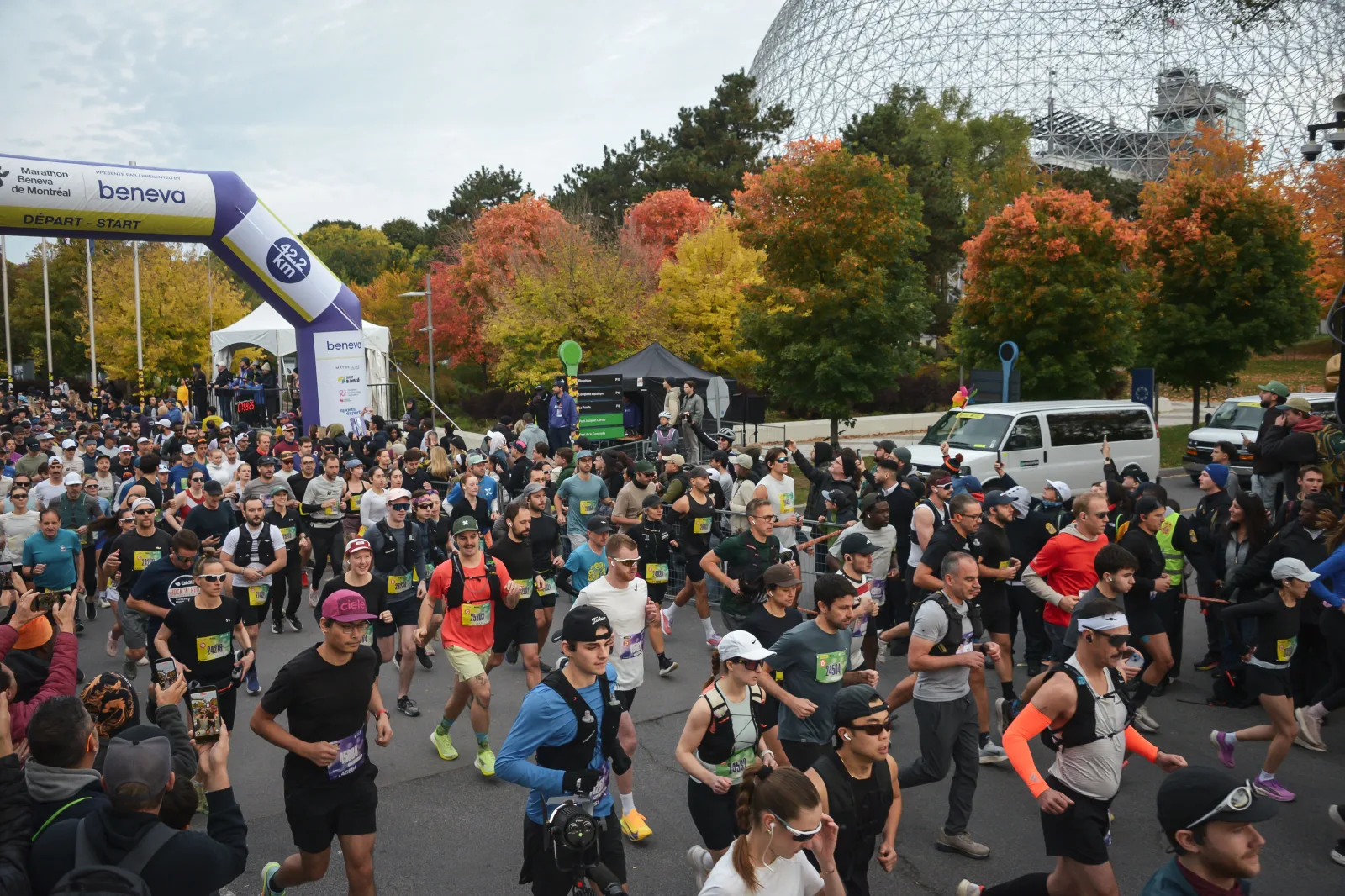
If we know each other in real life, chances are I've talked your ear off about my marathon these past few weeks. First, because I'm incredibly proud to have pulled it off (especially for someone who, growing up, was much more of a reader than an athlete). But also because it took months of work, sacrifice and, honestly, suffering to get there. During the race, I had a lot of time to think. And while I was deep in my thoughts (and deep in the pain cave), I started drawing parallels between the race I was running and my career.
I've just passed the 32-kilometre marker, and it's official: I've never run this far in my life. Every sensation from here on is uncharted territory. And yet, I know I can keep going. Blind faith in my legs? Maybe. Or does it come from months spent sticking to a plan and preparing?
Flashback: building the confidence to keep going
Before race day, I had been following a fairly strict training plan for more than 16 weeks: six runs a week, structured weeks with different types of workouts, building up to my longest run of 32 kilometres. What did those weeks give me? Benchmarks. What pace can I hold while still feeling good? How does my heart rate respond when I speed up, and how quickly do I recover? A habit, consistency, and confidence in what my body can do.
Toward the end of the program, I was running almost on cruise control. I was following the plan and things were going pretty well. Like any good strategy, my plan set me up to feel confident, without being a script to follow to the letter. Which is good news, because…
D-Day… as in Doubt Day
Bad news: two days before the race, my left foot started hurting, I had a terrible night's sleep the night before, and race-start nerves completely threw off my heart rate. I was miles away from where I'd been in my last training sessions.
So, was the plan all wrong? No. But we often build our plans with ideal conditions in mind. And race day rarely is.
Still, the plan gave me a starting point: I set off at my usual pace, listening to my body and adjusting my rhythm more often than in my last training runs. If I'd been on cruise control in training, on race day I took back the wheel… and control.
First, there are the things you can control: cadence, pace, fuelling, hydration. These are the variables I'd gotten used to and tested throughout the program to build my race-day strategy. But don't underestimate instinct: reacting to signals and to what's really happening. In this case, perceived effort, and knowing which metric (and which pain) to ignore that day.
There were two opposite traps I could have fallen into: blindly following the numbers on my watch and the plan, or throwing out the plan and running purely on feel. The truth is, I had to combine instinct with the plan, adjusting based on what I'd tested and what I was experiencing in real time. And I had that instinct because I'd spent weeks developing and sharpening it.
What I'm taking away from it
Like I said: before the marathon, I'd never run more than 32 kilometres. Once I passed that marker, I was in uncharted territory and had to steer as best I could. Telling yourself you can do something and actually doing it are two very different things. Here are a few lessons from this experience that apply to work, too.
- Conditions always change. Budgets get cut, priorities shift, approvals take time. The plan will hold if the principles are clear.
- Benchmarks as a starting point. Start from known reference points, without applying them blindly.
- Know which metric to watch. When you launch a campaign or an initiative, KPIs can lie. You need to tell noise from real signal before changing everything.
- Cruise control vs. steering. Most of the time, processes run on their own. When it counts, you need to be able to take the wheel and adjust in real time.
- A launch can have its own kilometre 32. A moment when you go beyond anything you've done before. Solid strategic foundations give you the confidence to commit.
Crossing the finish line with pride
I'd never run that far, but I was ready. And I did it. My plan is what got me there prepared and confident. But my instinct is what carried me across the finish line. Maybe that's what good strategy really is: preparation solid enough that, when the moment comes, you can let go of it.